


What Happens When an Ingredient Is Over-Dosed
One of the most common assumptions in skincare is simple:
“If an ingredient works, more of it must work better.”
But in formulation, that belief is rarely true.
As a founder closely involved in formulation decisions at The Skin Story, I’ve seen how pushing an ingredient beyond its optimal level can quietly weaken a product — and sometimes the skin itself.
Not immediately.
Not dramatically.
But gradually, over time.
Skin Has a Tolerance Limit
Every active ingredient operates within what scientists call a therapeutic window.
-
Too little, and the ingredient won’t do much.
-
Too much, and the skin doesn’t improve faster — it begins to react.
Over-dosing rarely shows up as instant damage. Instead, it often appears as:
-
delayed irritation
-
increasing sensitivity over time
-
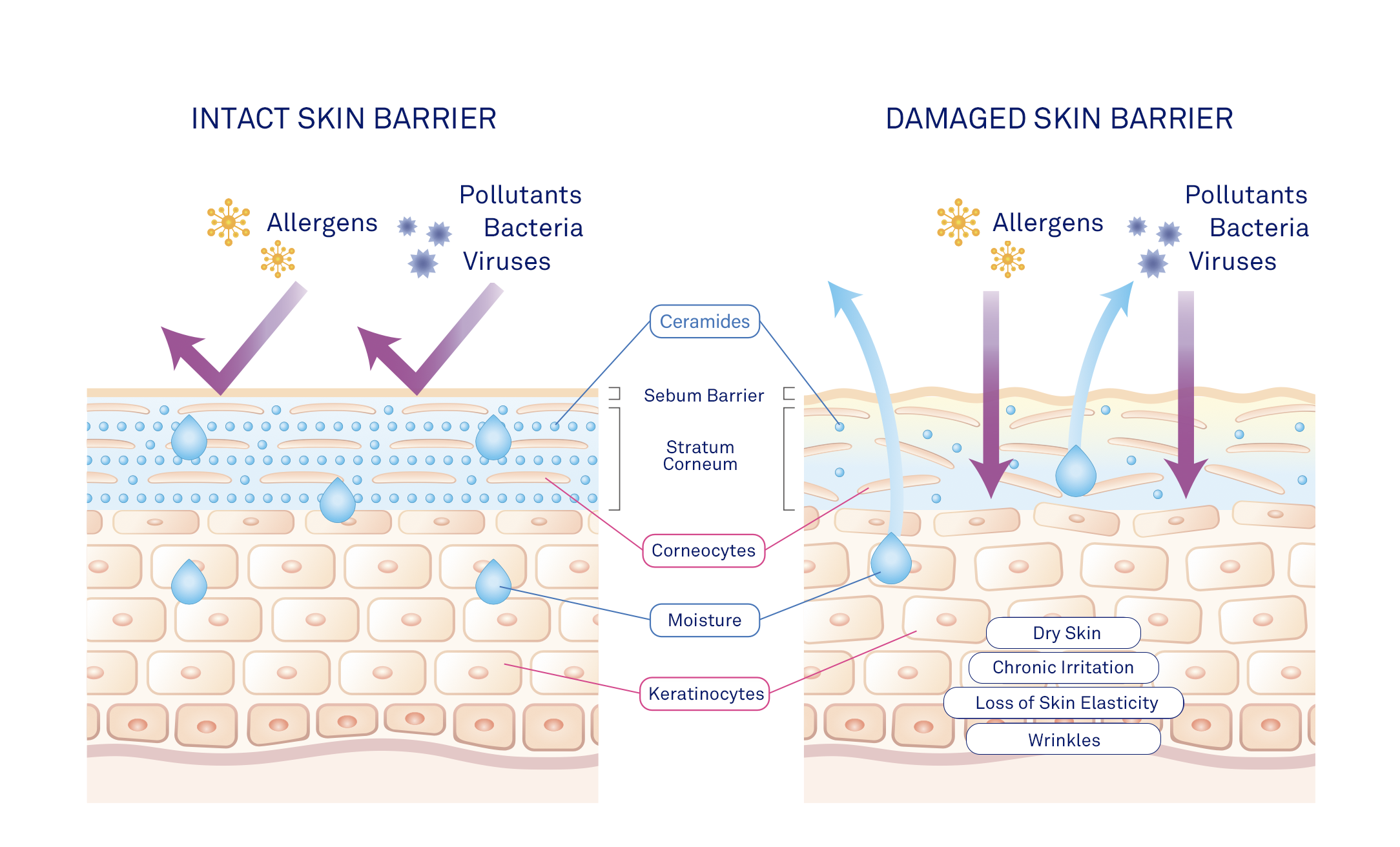
a weakened skin barrier
-
products that “worked at first” but later stop performing
When this happens, the skin has simply reached its tolerance limit.
Irritation Is Not a Sign of Progress
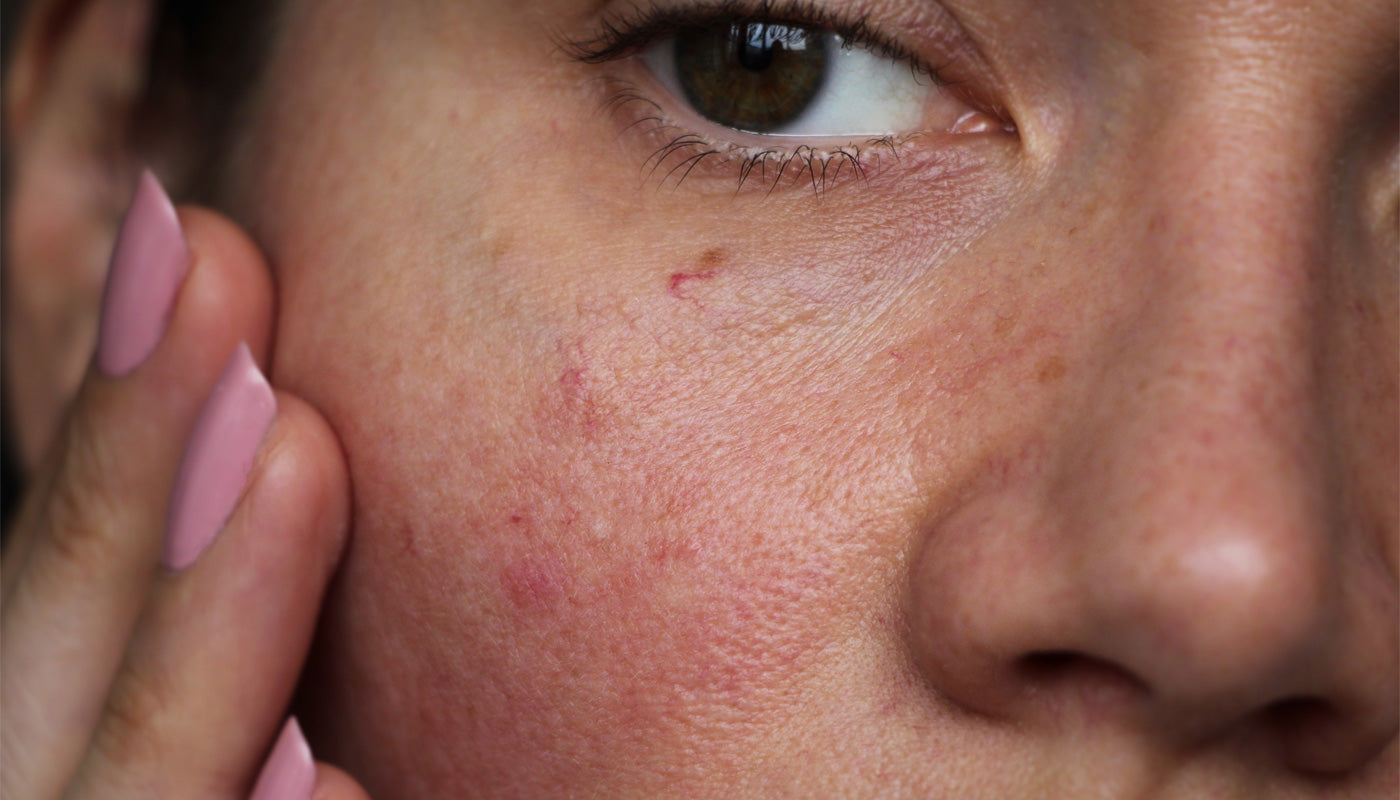
A common myth in skincare is that tingling, redness, or burning means the product is working.
In reality, these sensations are usually signs of skin stress.
When an ingredient is used at excessive levels:
-
inflammation increases
-
the skin barrier weakens
-
water loss accelerates
-
skin becomes reactive to even gentle products
At that point, any benefit the ingredient was meant to provide is already being undone.
Over-Dosing Can Destabilise the Formula
What many consumers don’t realise is that ingredients don’t exist alone in a formula.
They interact with multiple elements, including:
-
pH levels
-
preservatives
-
emulsifiers
-
other active ingredients
-
texture and stabilising agents
When one ingredient is pushed beyond its ideal range, it can:
-
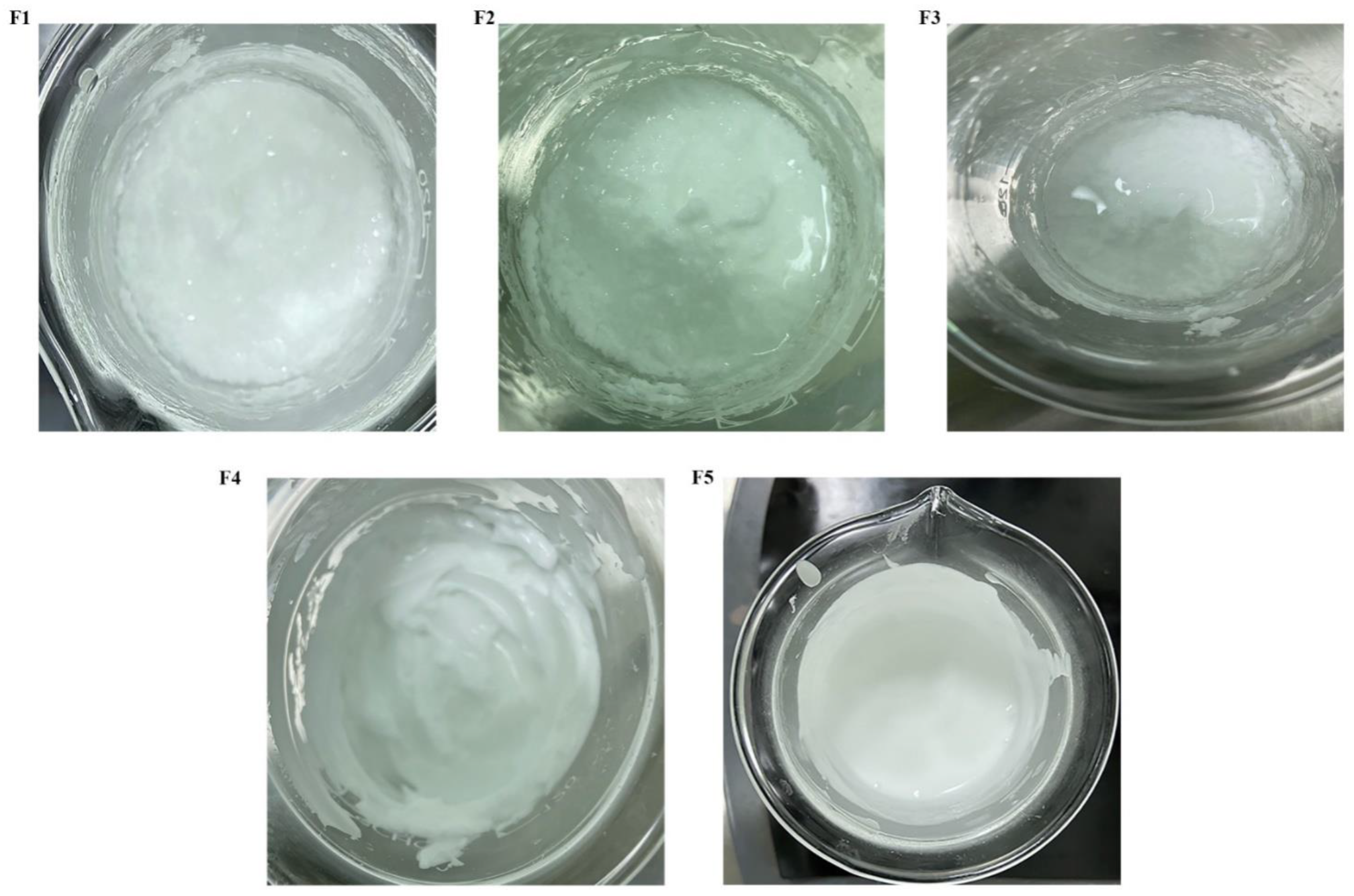
destabilise the formula
-
shorten shelf life
-
cause separation or breakdown over time
-
interfere with how other ingredients perform
Formulation isn’t about pushing limits.
It’s about maintaining balance.
When “Strong” Becomes Counter-Productive
In product testing, we often observe the same pattern with over-dosed actives.
At first, users notice:
-
quick visible change
-
fast initial satisfaction
But over time, the same products may lead to:
-
dryness
-
irritation
-
inconsistent results
Instead of improving the skin, the skin becomes busy repairing the damage caused by excessive intensity.
Progress slows.
Results plateau.
And trust breaks.
Not Every Ingredient Should Be Pushed
Another important truth is that not all ingredients behave the same way.
Some actives are:
-
corrective – they target specific concerns but require support
-
sensitising at high levels – powerful but demanding
-
barrier-dependent – they only perform well when the skin barrier is healthy
Over-dosing ignores this individuality and treats all ingredients as if higher levels automatically mean better results.
Skin rarely responds well to that approach.
Why We Choose Balance Over Maximum Percentages
As a founder, I could easily formulate products with very high percentages of actives.
They look impressive. They sound powerful.
But years of formulation and testing have taught me something important:
The best skincare products are the ones people can use consistently, for months or years, without irritation.
That only happens when:
-
ingredients remain within skin-tolerant, effective ranges
-
formulas stay stable over time
-
skin feels supported rather than challenged
Long-term results are built through consistency, not intensity.
The Philosophy Behind Our Formulations
At The Skin Story, we believe skincare shouldn’t push skin to its limits.
It should help skin function better — calmly, steadily, over time.
More doesn’t always mean better.
Stronger doesn’t always mean smarter.
And when an ingredient is over-dosed, it doesn’t make a formula powerful.
It makes it fragile.
That’s why we choose balance over bravado.
— Founder, The Skin Story


