


Hair fall is one of the most common beauty concerns in India—and also one of the most misunderstood. From hair oils and shampoos to DIY remedies and supplements, most people try everything, yet the shedding continues.
The reason?
Hair fall is rarely caused by just one factor.
It’s usually triggered by a combination of internal and external causes—stress, hormones, nutrition, scalp health, genetics, lifestyle habits, environmental exposure, and even the products you use daily.
In this science-backed hair fall guide, you’ll learn:
-
What hair fall is considered normal vs excessive
-
How the hair growth cycle really works
-
The top medical and lifestyle causes of hair fall
-
Proven ways to reduce hair fall and support healthy regrowth
What Counts as “Normal” Hair Fall?

Before trying to fix hair fall, it’s important to understand what normal shedding looks like.
✔ Normal Hair Fall
-
50–100 strands per day
This is part of the natural hair growth cycle. -
150–200 strands on wash days
Shampooing releases loose telogen (resting) hair—this is completely normal.
🚨 When Hair Fall Becomes a Concern
You should pay attention if you notice:
-
Visible thinning or bald patches
-
Widening parting or receding hairline
-
Reduced ponytail thickness
-
Excessive hair while combing or touching
-
Hair on pillow, shower drain, office chair daily
If these signs persist, it’s time to address the root cause.
The Scientific Hair Growth Cycle Explained
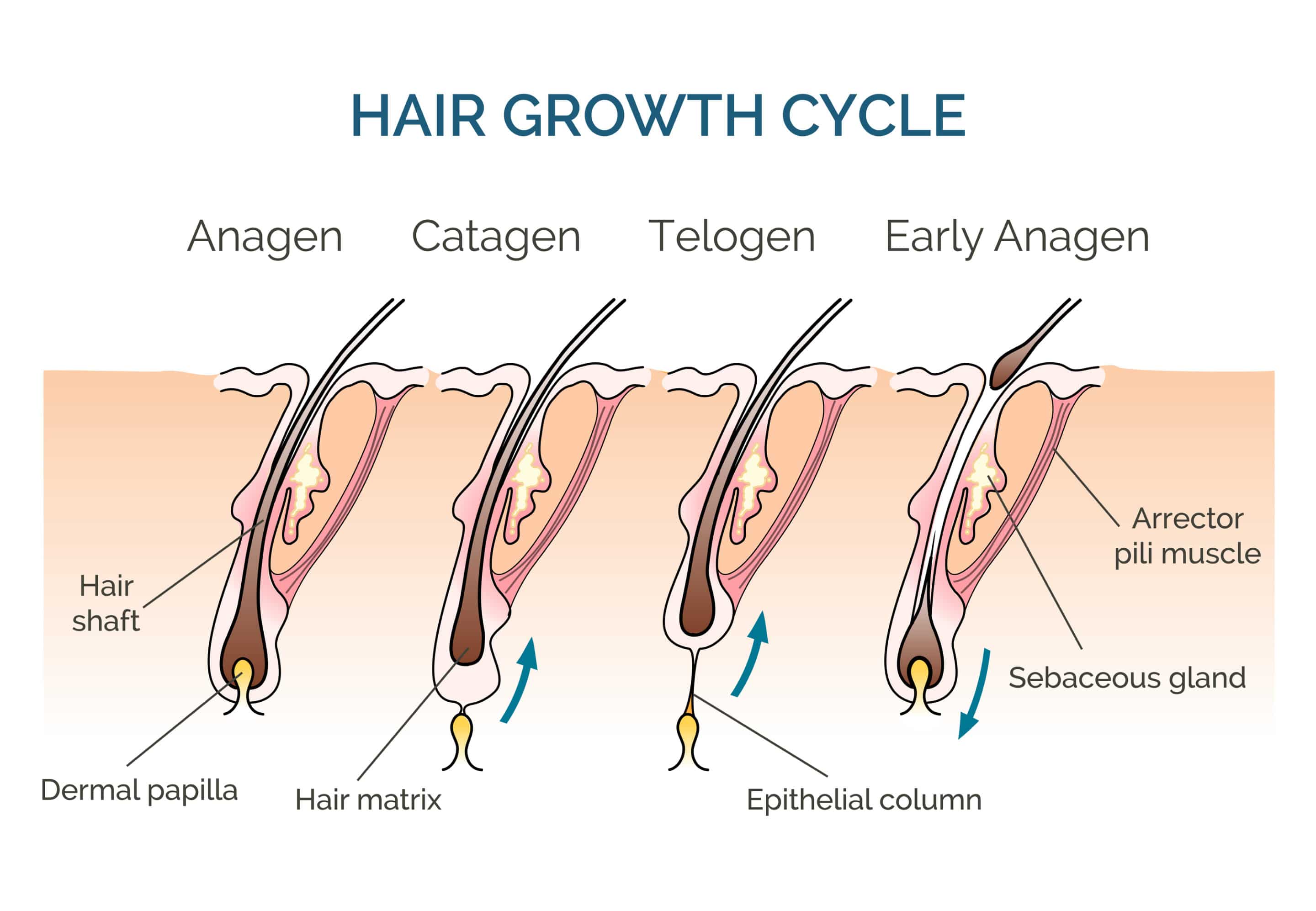
Hair growth follows a three-phase biological cycle:
1️⃣ Anagen (Growth Phase)
-
Lasts 2–7 years
-
85–90% of your hair is in this phase
-
Longer anagen phase = thicker, longer hair
2️⃣ Catagen (Transition Phase)
-
Lasts 2–3 weeks
-
Hair follicle shrinks and detaches from blood supply
3️⃣ Telogen (Resting/Shedding Phase)
-
Lasts 3–4 months
-
10–15% of hair is here
-
Old hair sheds and new hair begins growing
Hair fall increases when:
-
Too many follicles enter telogen at once
-
The anagen phase shortens
-
Follicles shrink (miniaturisation)
Most hair loss conditions are diagnosed based on disruptions in this cycle.
Top Scientific Causes of Hair Fall
1. Stress-Induced Hair Fall (Telogen Effluvium)
Stress is one of the leading causes of sudden hair fall.
Physical or emotional stress pushes a large number of follicles into the telogen phase at the same time.
Common triggers include:
-
Illness or fever
-
Crash dieting
-
Lack of sleep
-
Work or relationship stress
-
Post-pregnancy (postpartum shedding)
👉 Hair usually regrows once stress is managed, but chronic stress can lead to prolonged shedding.
2. Hormonal Imbalances
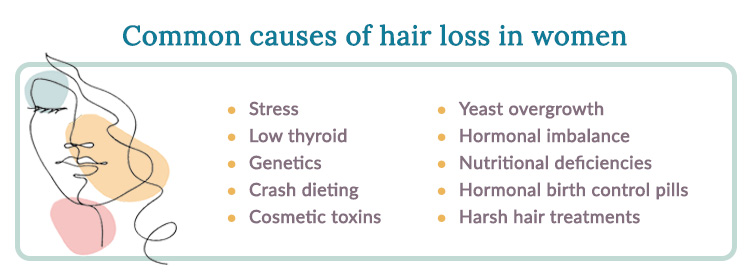
Hormones directly influence hair density and growth.
Common hormonal triggers:
-
PCOS
-
Thyroid disorders
-
Pregnancy & postpartum changes
-
Birth control pills
-
Menopause
Hormonal imbalance can weaken follicles and shorten the growth phase.
3. Nutritional Deficiencies
Hair is a protein-based structure and needs consistent nutrition.
Common deficiencies in India:
-
Iron (especially in women)
-
Vitamin D
-
Vitamin B12
-
Protein
-
Omega-3 fatty acids
👉 Dieting or unplanned vegan diets can worsen hair fall.
4. Hard Water & Scalp Build-Up
Hard water contains calcium and magnesium salts that stick to hair and scalp.
This leads to:
-
Weak roots
-
Breakage and frizz
-
Slower growth
-
Increased shedding
Over time, buildup suffocates the follicle.
5. Genetics (Pattern Hair Loss)
Genetic hair thinning is linked to DHT (dihydrotestosterone) shrinking hair follicles.
Signs include:
-
Widening part in women
-
Receding hairline in men
-
Thin ponytail
-
Overall reduced density
This requires consistent, long-term strengthening care.
6. Heat Styling & Chemical Damage
Frequent use of:
-
Straighteners
-
Curling irons
-
Blow dryers
-
Keratin treatments
-
Hair colouring
Damages the cuticle, leading to breakage, thinning, and dull hair.
7. Poor Scalp Health
A healthy scalp is essential for healthy hair growth.
Common scalp issues:
-
Dandruff
-
Excess oil or dryness
-
Sensitivity or itching
-
Seborrheic dermatitis
-
Fungal infections
Inflamed scalp = weak hair roots.
Proven Ways to Reduce Hair Fall (Science-Backed)
1. Strengthen Follicles With Clinically Studied Actives
Well-researched hair growth ingredients include:
-
Redensyl
-
Hairiline
-
Anagain
-
Biotin
-
Amino acids
-
Rosemary extract
-
Niacinamide
These help by:
-
Extending the growth phase
-
Improving blood circulation
-
Strengthening follicles
-
Reducing hair miniaturisation
👉 Soft mention: Many hair growth serums, including The Skin Story Hair Growth Serum, are powered by clinically studied actives like Redensyl & Hairiline to support follicle health.
2. Use a Gentle, Sulphate-Free Shampoo
Harsh cleansers can inflame the scalp and worsen hair fall.
Look for shampoos with:
-
Mild surfactants
-
Biotin
-
Moringa
-
Argan oil
-
Keratin
-
Zinc pyrithione (for dandruff-related hair fall)
3. Improve Your Diet for Hair Growth
Add these to your routine:
-
Spinach
-
Lentils
-
Nuts & seeds
-
Eggs or tofu
-
Whole grains
-
Vitamin B12 sources
-
Adequate Vitamin D exposure
Your hair reflects what you eat.
4. Reduce Stress Daily
Stress management is essential to prevent telogen effluvium.
Effective practices:
-
Walking
-
Meditation
-
Deep breathing
-
Journaling
-
Adequate sleep
-
Limiting caffeine
Your nervous system directly affects your hair cycle.
5. Strengthen Hair With Weekly Masks
Hair masks containing:
-
Keratin
-
Argan oil
-
Protein blends
-
Amino acids
Help reduce breakage and improve hair strength.
👉 Soft mention: Weekly strengthening masks from The Skin Story range can support smoother, stronger hair and reduce snapping.
6. Avoid Over-Washing
Washing daily can dry out the scalp.
✔ Ideal frequency: 2–3 times per week
7. Always Use Heat Protection
Apply a heat-protectant serum before styling to prevent:
-
Cuticle damage
-
Moisture loss
-
Breakage
8. Treat Dandruff Early
Dandruff creates scalp inflammation → weak roots → shedding.
Use an anti-dandruff shampoo consistently for 3–6 weeks if dandruff is present.
When Should You See a Doctor?
Consult a dermatologist if you experience:
-
Sudden bald patches
-
Painful or itchy scalp
-
Heavy shedding for more than 3 months
-
Rapid thinning
-
Hair loss with fatigue or hormonal symptoms
Sometimes internal medical treatment is required.
Conclusion: Hair Fall Is Fixable With the Right Approach
Hair fall is not a one-product problem—it’s a combination of internal health, scalp care, lifestyle habits, and science-backed ingredients.
With consistent care, gentle cleansing, proper nutrition, stress management, and proven actives, you can reduce shedding and support stronger, healthier hair growth.
If you’re beginning your hair fall journey, start with mild shampoos, nourishing masks, and growth serums powered by proven actives like Redensyl, Hairiline, and amino acids—and give your hair the time it needs to respond.


