


Hair fall is one of the most common beauty concerns in India — yet also one of the most misunderstood. Most of us try multiple products, oils, home remedies, and even supplements, but the shedding doesn’t stop.
That’s because hair fall is rarely caused by one single factor. It’s usually a combination of internal and external triggers: stress, hormones, scalp health, lifestyle, environment, nutrition — and sometimes even the wrong haircare products.
In this expert-backed guide, we break down the real reasons behind hair fall, what counts as normal vs. alarming, and the proven ways to reduce shedding with the right routine, ingredients, and habits.
What Counts as “Normal” Hair Fall?
Before treating hair fall, it’s important to understand what normal shedding looks like.
✔ 50–100 strands per day
This is completely normal and part of the hair’s natural growth cycle.
✔ More hair fall on shampoo days
You may notice 150–200 strands on wash days, as loose hair gets released during cleansing.
When should you worry?
-
Visible thinning patches
-
Receding or widening hairline
-
Reduced hair density
-
Excessive shedding while combing or touching
-
Hair on your pillow, office chair or shower drain every day
If you’re checking off multiple signs, it’s time to take action.
The Scientific Hair Growth Cycle
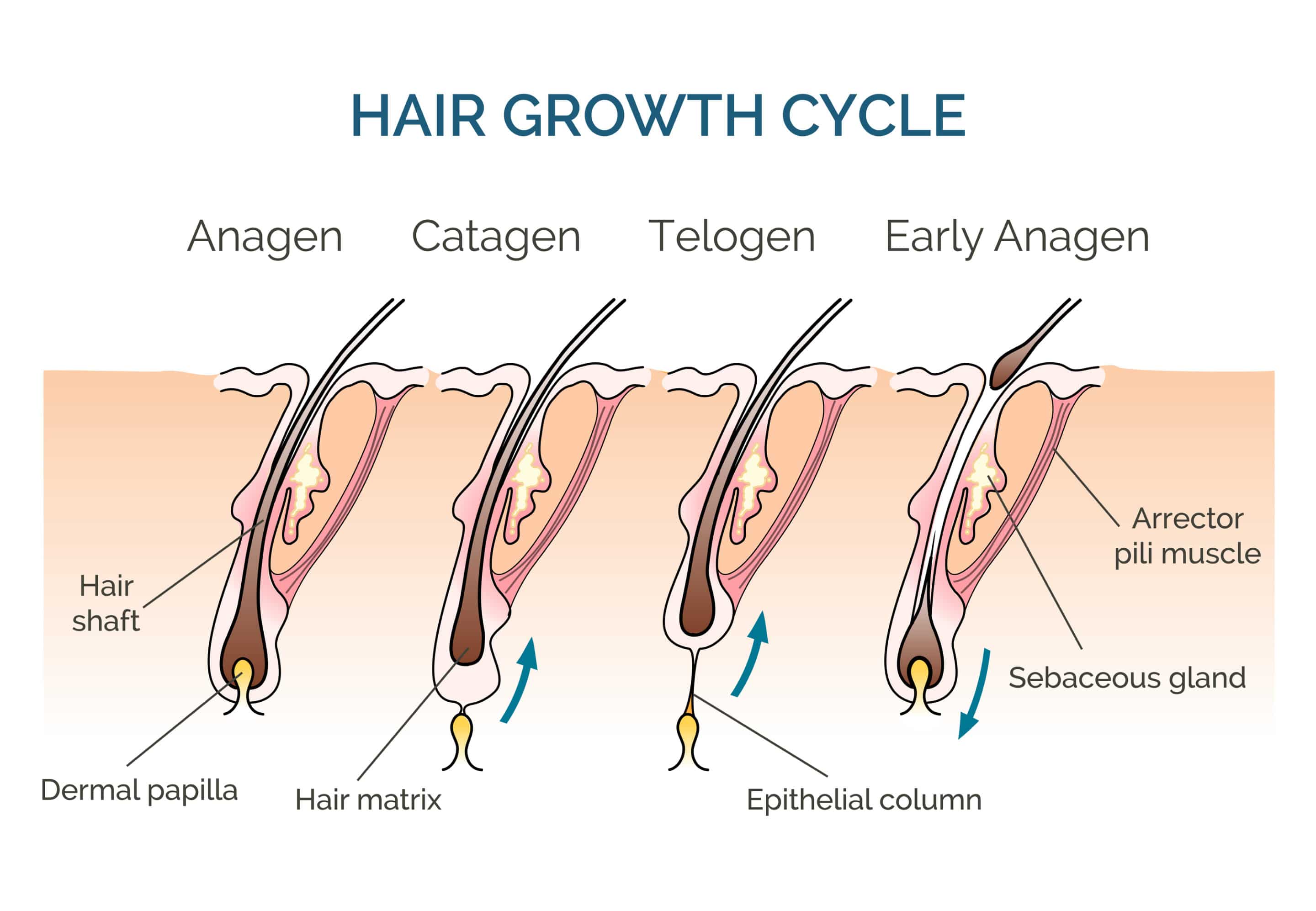
Your hair grows in a repeating 3-phase cycle:
1️⃣ Anagen (Growth Phase)
-
Lasts 2–7 years
-
85–90% of your hair is here
-
Longer anagen = longer, thicker hair
2️⃣ Catagen (Transition Phase)
-
Lasts 2–3 weeks
-
Hair detaches from blood supply
3️⃣ Telogen (Resting/Shedding Phase)
-
Lasts 3–4 months
-
10–15% of hair is here
-
Old hair falls out and new growth begins
Hair fall increases when:
-
Too many follicles shift into telogen at once
-
The anagen phase shortens
-
Follicles shrink (miniaturisation)
These are the underlying mechanisms behind most hair fall conditions.

Top Scientific Causes of Hair Fall
1. Stress (Telogen Effluvium)
Stress is one of the biggest triggers of sudden hair fall.
Emotional or physical stress pushes large numbers of hair follicles into the shedding phase.
Common triggers include:
-
Illness
-
Crash dieting
-
Lack of sleep
-
Work or relationship stress
-
Postpartum changes
Hair usually grows back, but chronic stress leads to prolonged shedding.
2. Hormonal Imbalance
Hormones directly influence hair density. The most common hormonal causes include:
-
PCOS
-
Thyroid disorders
-
Pregnancy & postpartum shifts
-
Birth control pills
-
Menopause-related changes
These can weaken follicles and disrupt the growth cycle.
3. Nutritional Deficiencies
Hair requires protein, iron, zinc, B-vitamins, and omega-3 fatty acids.
Common deficiencies in India:
-
Iron (very common among women)
-
Vitamin D
-
B12
-
Protein
-
Omega-3
Low intake or poorly planned vegetarian diets can accelerate hair fall.
4. Hard Water & Scalp Buildup
Hard water contains calcium and magnesium that accumulate on the scalp, leading to:
-
Breakage
-
Weak roots
-
Frizziness
-
Slower growth
-
Increased shedding
Combined with product buildup, this can suffocate follicles.
5. Genetics (Pattern Hair Loss)
DHT, a hormone, causes hair follicle shrinkage.
Signs include:
-
Widening part in women
-
Receding hairline in men
-
Thinning ponytail
-
Reduced overall density
This type needs consistent strengthening and targeted treatment.
6. Over-Styling & Heat Damage
Regular straightening, curling, colouring, or blow-drying weakens the cuticle and causes:
-
Breakage
-
Split ends
-
Hair thinning
-
Flat, lifeless hair
7. Poor Scalp Health
A healthy scalp is essential for healthy hair.
Hair fall is often linked to:
-
Dandruff
-
Excess oil
-
Fungal infections
-
Scalp sensitivity
-
Seborrheic dermatitis
-
Dryness & flaking
Inflamed or congested scalp = weak follicles.
Proven Ways to Reduce Hair Fall
1. Strengthen the Follicles With Science-Backed Actives
Look for clinically researched ingredients such as:
-
Redensyl
-
Hairiline
-
Anagain
-
Biotin
-
Amino acids
-
Rosemary extract
-
Niacinamide
These ingredients help:
-
Extend the anagen (growth) phase
-
Improve blood circulation
-
Reduce follicle shrinkage
-
Strengthen roots
Soft mention: Many hair growth serums, including The Skin Story Hair Growth Serum, use Redensyl & Hairiline to support follicle strength.
2. Use a Gentle, Sulphate-Free Shampoo
Harsh shampoos strip moisture and irritate the scalp.
Choose cleansers with:
-
Mild surfactants
-
Biotin
-
Moringa
-
Argan oil
-
Keratin
-
Zinc pyrithione (if dandruff is present)
3. Improve Your Diet
Add more:
-
Spinach
-
Lentils
-
Nuts & seeds
-
Eggs (or tofu)
-
Whole grains
-
B12-rich foods
-
Moderate sunlight for Vitamin D
Your hair is literally built from proteins — your plate should reflect that.
4. Reduce Stress
Stress management is essential for controlling shedding.
Helpful practices:
-
Walking
-
Meditation
-
Deep breathing
-
Journaling
-
Adequate sleep
-
Reduced caffeine intake
5. Strengthen With a Weekly Hair Mask
Masks enriched with keratin, argan oil, or amino acids reduce breakage and smoothen hair.
Soft mention: A weekly strengthening mask from The Skin Story can support healthier, stronger strands.
6. Avoid Over-Washing
Washing hair every day can dry out the scalp.
2–3 times a week is ideal for most people.
7. Protect Hair From Heat
Always use a heat protectant before styling to prevent:
-
Cuticle damage
-
Breakage
-
Moisture loss
8. Treat Dandruff Early
If dandruff is causing inflammation, treat it for 3–6 weeks with an anti-dandruff shampoo.
Dandruff → Inflammation → Weak roots → Shedding
Fix dandruff first, hair fall second.
When to See a Doctor
Seek medical help if you notice:
-
Sudden bald patches
-
Painful or itchy scalp
-
Severe shedding for more than 3 months
-
Rapid thinning
-
Hair fall with fatigue or hormonal symptoms
Some internal issues require more than topical treatments.
Conclusion
Hair fall is not caused by a single issue — it’s a combined result of internal and external factors.
But the good news is: with the right routine, targeted ingredients, and small lifestyle changes, you can reduce shedding and support stronger, healthier hair.
If you’re ready to begin a science-backed routine, explore gentle shampoos, hydrating masks, and follicle-strengthening serums powered by proven actives like Redensyl, Hairiline, Biotin, and amino acids — available at The Skin Story.


